
From First-Time Buyers to Hardcore Crate Diggers
Vinyl records aren’t just about the music, they’re about pressings, condition, history, and sound quality. Whether you’re buying your first LP or hunting down rare pressings, understanding the language of vinyl collecting helps you make smarter purchases and better care for your collection.
Here are 12 essential vinyl record terms every collector should know, explained from beginner to expert level.
1. LP (Long Play)
An LP is a full-length vinyl album, typically 12 inches in size and played at 33⅓ RPM. Most classic and modern albums are released as LPs.
Beginner collectors usually start here — this is the standard album format.
2. RPM (Revolutions Per Minute)
RPM refers to how fast a record spins on the turntable. The most common speeds are:
33⅓ RPM – LPs
45 RPM – Singles and some audiophile pressings
78 RPM – Very old records (pre-1950s)
Higher RPM often means better sound quality, especially for 45 RPM pressings.
3. 45 (Single)
A 45 is a 7-inch vinyl single, typically featuring one song per side. These are often used for hit singles, jukeboxes, and special releases.
Collectors love 45s for:
Exclusive mixes
Unique B-sides
Vintage artwork
4. Sleeve vs. Jacket
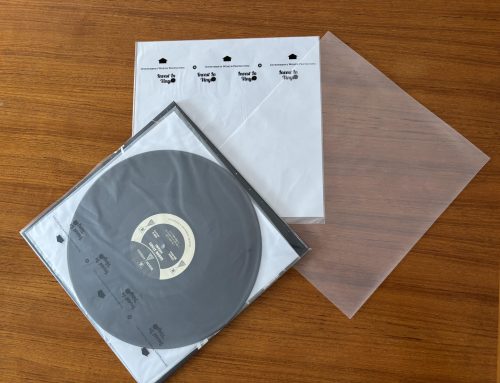
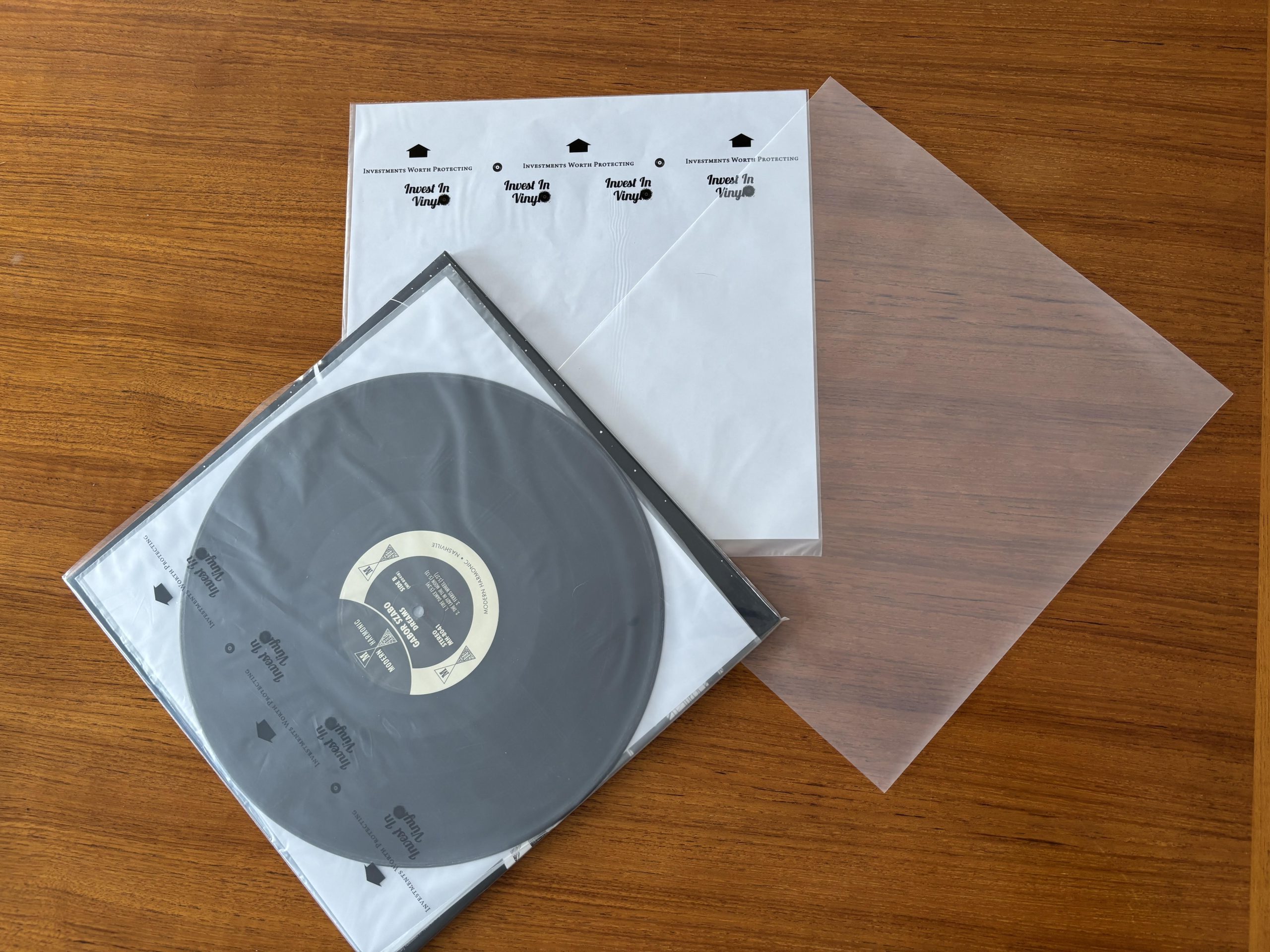
Sleeve: The inner paper or poly lining that directly holds the vinyl.
Jacket: The outer cardboard cover with artwork.
Pro tip: Using protective inner sleeves and outer poly sleeves helps preserve value and sound quality.
5. Pressing
A pressing refers to a specific production run of a vinyl record. Different pressings can vary by:
Year
Country
Mastering
Sound quality
Some pressings are far more collectible than others — even for the same album.
6. Original Pressing (OG)
An original pressing (often called “OG”) is the first commercial release of an album, pressed closest to when it originally came out.
OG pressings are often:
More valuable
Sought after for their sound
Historically significant
7. Reissue
A reissue is a later re-pressing of an album, often released years (or decades) after the original.
Modern reissues can be great because they:
Are more affordable
Use remastered audio
Are easier to find in clean condition
Not all reissues are created equal — quality varies widely.
8. Deadwax
The deadwax is the smooth area near the center label of a record. It often contains:
Etched or stamped markings
Mastering engineer initials
Pressing plant identifiers
Serious collectors check the deadwax to confirm authenticity and pressing details.
9. Matrix / Runout Numbers
These are the numbers and letters etched into the deadwax. Matrix numbers help identify:
Exact pressing version
Manufacturing plant
Order of the pressing run
This is essential knowledge for advanced collectors and rare record hunters.
10. Grading (Mint, NM, VG+, etc.)
Vinyl condition is typically graded using standardized terms:
Mint (M): Perfect, usually sealed
Near Mint (NM): Almost flawless
Very Good Plus (VG+): Light wear, plays great
Very Good (VG): Noticeable wear, still playable
Condition directly affects value, sound quality, and collectability.
11. Color Variant / Limited Edition
Many modern records are released on colored vinyl, splatter designs, or limited runs.
These variants are popular because they:
Look unique
Are often pressed in small quantities
Can increase long-term value
Not all color vinyl sounds worse, modern pressings can sound excellent.
12. Bootleg
A bootleg is an unauthorized vinyl release. These may include:
Live recordings
Unreleased material
Counterfeit copies of rare albums
Some collectors enjoy bootlegs, but they can be less valuable than official releases, and should always be clearly labeled. Bootlegs also often suffer from poor sound or low end recording. Often, the recording is made from an audience member, and isn’t what you’d hear on an official release. However, rare and hard to find bootlegs, even with poor sound quality, can still command a big price. Try to listen to any bootlegs prior to purchase.