Vinyl records have made a major comeback in recent years, but not all pressings are created equal. Collectors and music enthusiasts often wonder whether modern vinyl sounds the same as albums produced in the 1960s, 70s, and 80s. Understanding the source material and production process helps answer that question.
How Vinyl Production Has Evolved Over the Years
Originally, vinyl records were mastered directly from analog tapes, preserving the original sound from recording to pressing. Today, many pressings use digital sources, including CD masters or remastered digital files. Each approach has unique characteristics that can affect the final listening experience.
Why the Source Material Matters
The type of master used — analog or digital — influences sound quality, tonal warmth, and dynamic range. Analog sources can capture subtle harmonics and a natural sound, while digital sources can offer clarity but may sound different from the original analog recording.
Vinyl from Analog Master Tapes
What Are Analog Master Tapes?
Analog master tapes are the original recordings captured in an all-analog format. They contain the full audio signal without digital conversion, which allows for a rich and detailed sound when pressed to vinyl.
How Analog Pressings Affect Sound Quality
Vinyl pressed from analog masters often has a warmer tone, more natural dynamics, and a sense of depth that some listeners prefer. However, vintage records can also degrade over time, leading to wear, scratches, or loss of fidelity.
Modern Vinyl from Digital Sources
What Are Digital Masters?
Digital masters are files converted from analog recordings or created digitally. These files may be sourced from CDs, streaming masters, or remastered editions. They can then be used to create new vinyl pressings.
Pros and Cons of Digital-Based Pressings
Digital-based vinyl can offer clean sound and precise reproduction. On the other hand, some listeners feel it lacks the subtle harmonic richness of analog. The overall experience depends on the quality of the master, pressing, and playback equipment.
Key Factors That Affect Vinyl Sound
Pressing Quality and Plant Reputation
The facility producing the record, the engineer cutting the master, and quality control all significantly affect the final product. High-quality pressing plants usually produce records with fewer defects and more consistent sound.
Vinyl Material: Weight and Composition
Heavier vinyl (180g or more) and virgin vinyl typically provide better sound quality and durability. Lighter or recycled vinyl may be more prone to warping or surface noise.
Mastering Decisions for Vinyl
Vinyl mastering requires adjustments for groove width, dynamic range, and frequency response. Even with the same source, different mastering decisions can lead to noticeably different results.
Playback Equipment and Setup
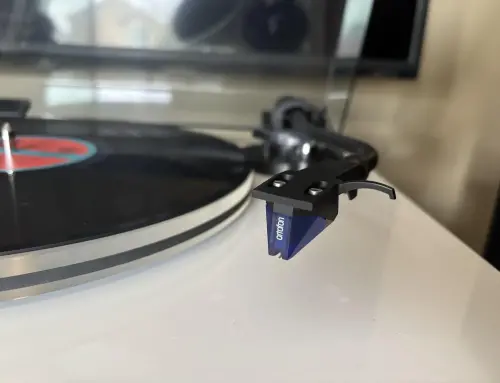
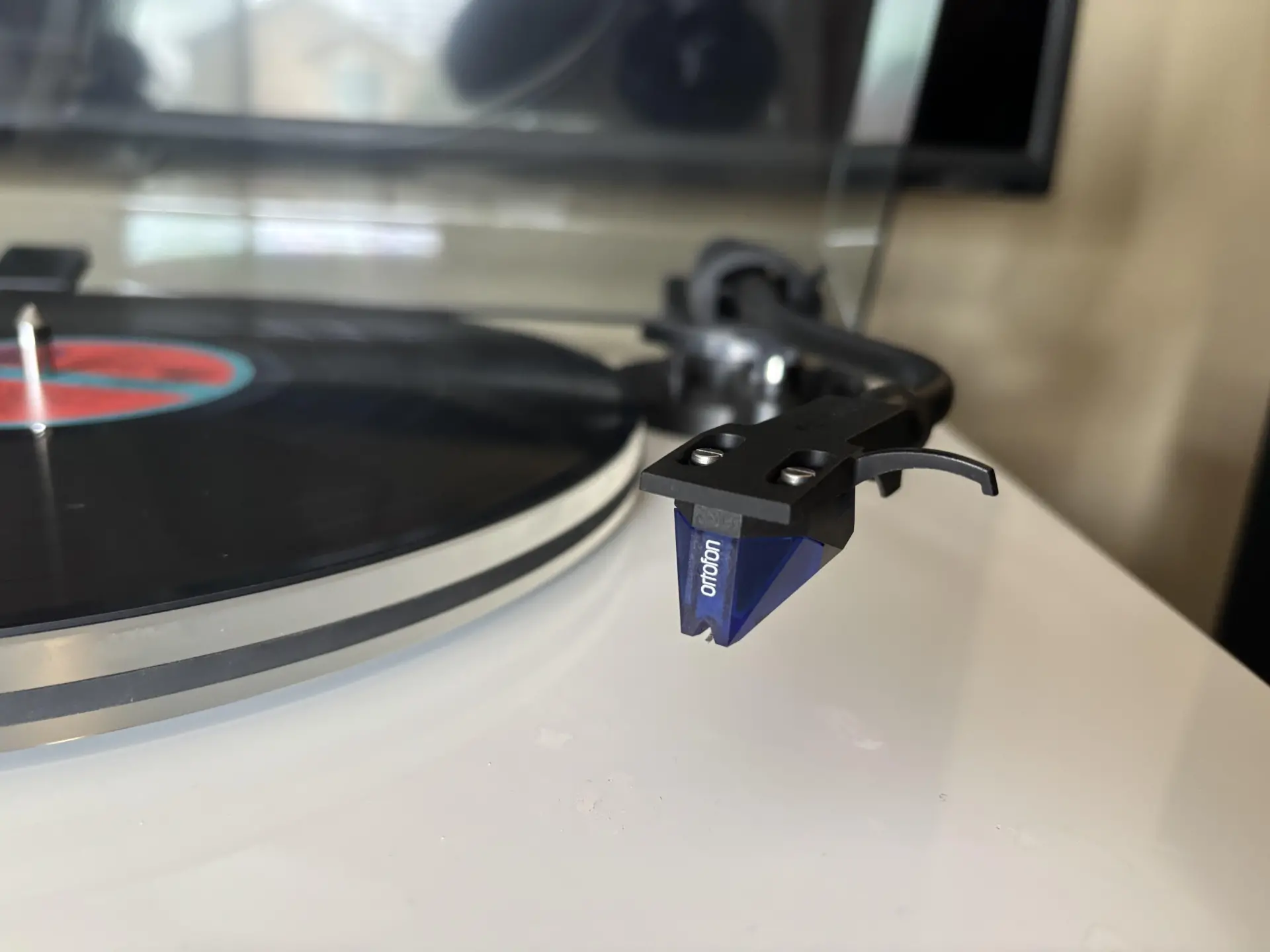
The turntable, cartridge, speakers, and overall setup also shape the listening experience. A great pressing can still sound poor on low-quality equipment, while a good system can bring out the best in a modest record.
Comparing Vintage and Modern Pressings
Advantages of Vintage Records
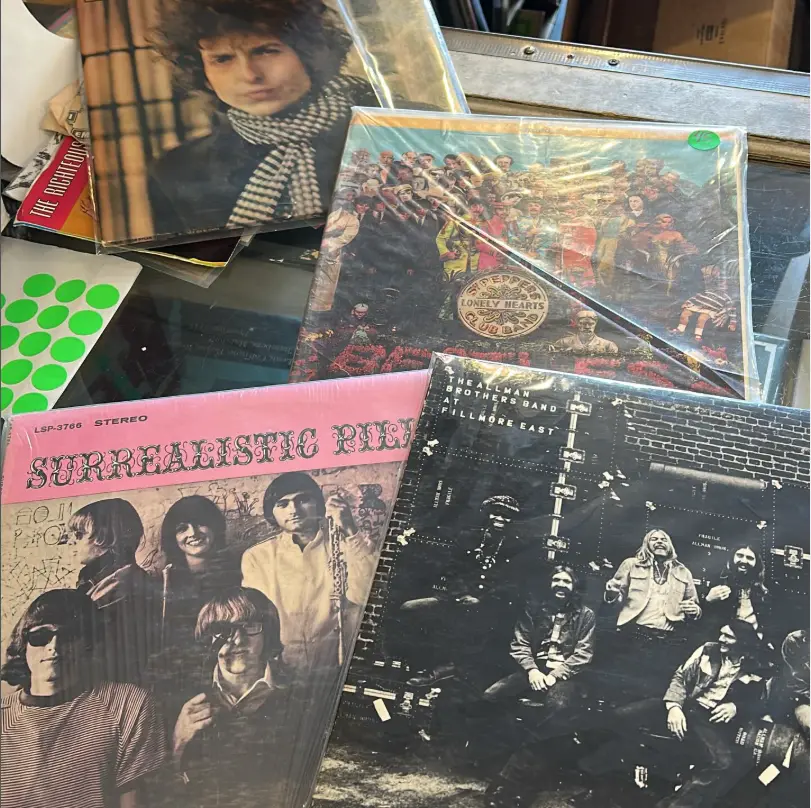
Original pressings from the 60s–80s can offer the authentic analog sound of the era and often have historical value. When well-preserved, they can sound warm, dynamic, and full of character.
Advantages of High-Quality Modern Pressings
Modern pressings benefit from fresh vinyl, precise mastering, and advanced production techniques. They can replicate or even enhance the original sound, especially when sourced from analog masters.
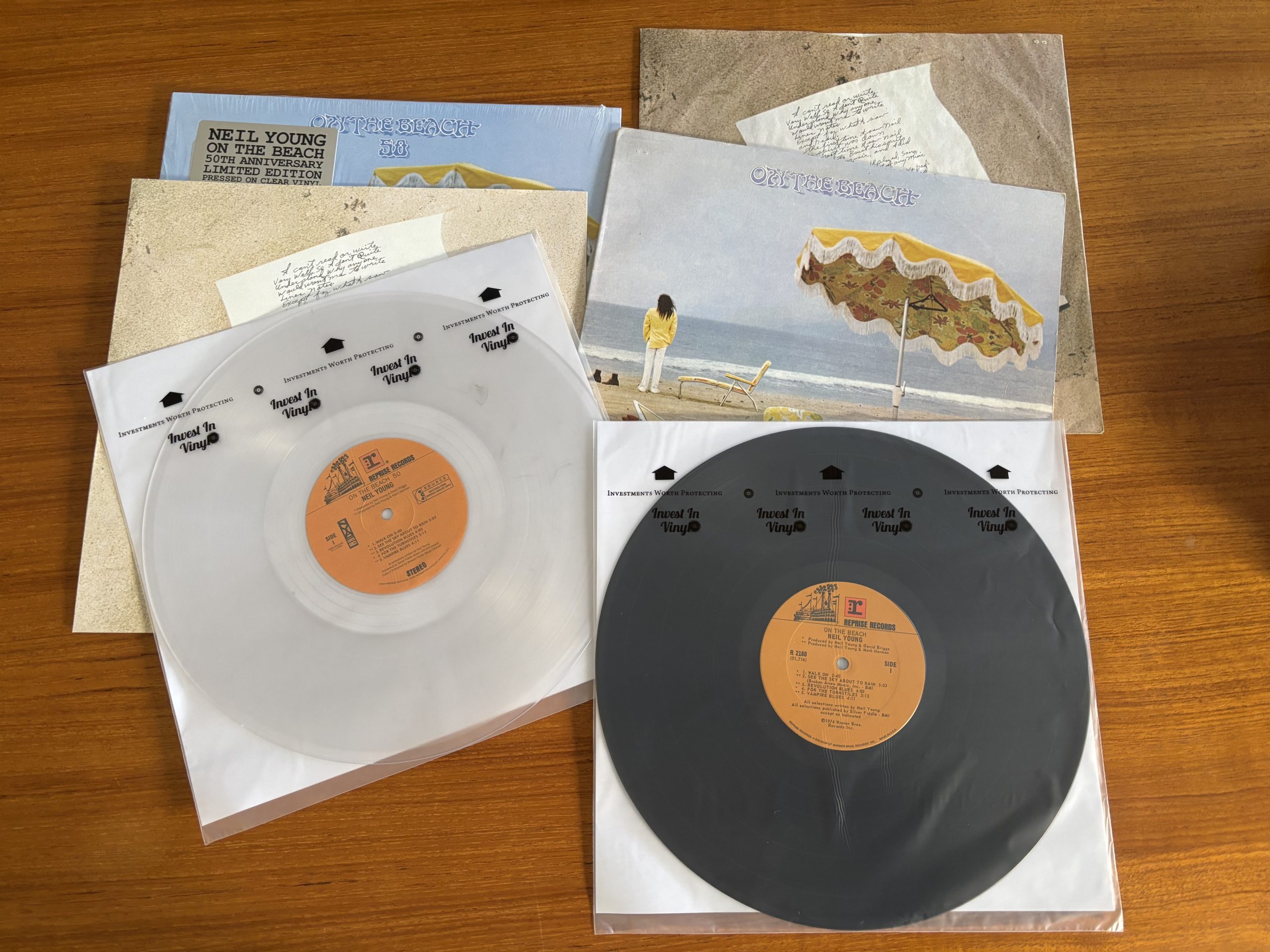
For example, a comparison of Neil Young’s original vinyl pressing and the 50th anniversary clear vinyl edition clearly illustrates the evolution of vinyl production. The original pressing showcases the warmth and character of analog mastering, while the modern clear vinyl demonstrates how contemporary pressings can use new materials and mastering techniques to create a fresh listening experience.
Tips for Choosing the Right Vinyl
Checking the Source and Mastering Information
Look for records pressed from original analog tapes if you want an authentic analog experience. Labels and reissue series often provide this information.
Selecting Based on Weight and Material
Choose 180g+ virgin vinyl for durability and sound quality. Avoid very light or heavily recycled pressings if audio fidelity is important.
Considering Your Listening Preferences
Your equipment and personal taste play a big role. Some listeners prefer the warmth of analog, while others enjoy the clarity of modern digital pressings.
Conclusion
Vinyl offers a wide range of listening experiences, whether from vintage analog masters or carefully produced modern releases. Understanding the sources, pressing quality, and playback considerations helps collectors and music lovers make informed choices and enjoy the music as intended.