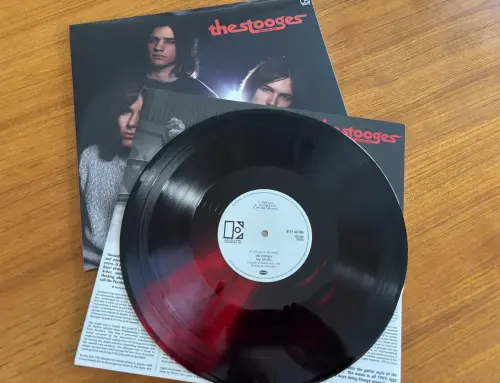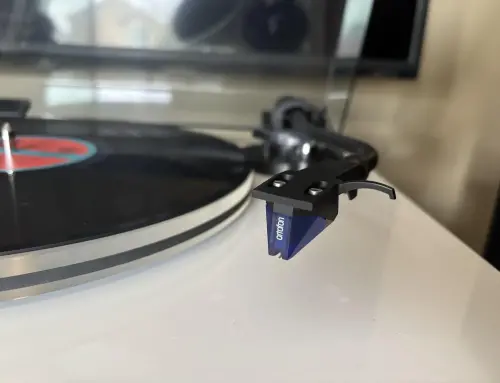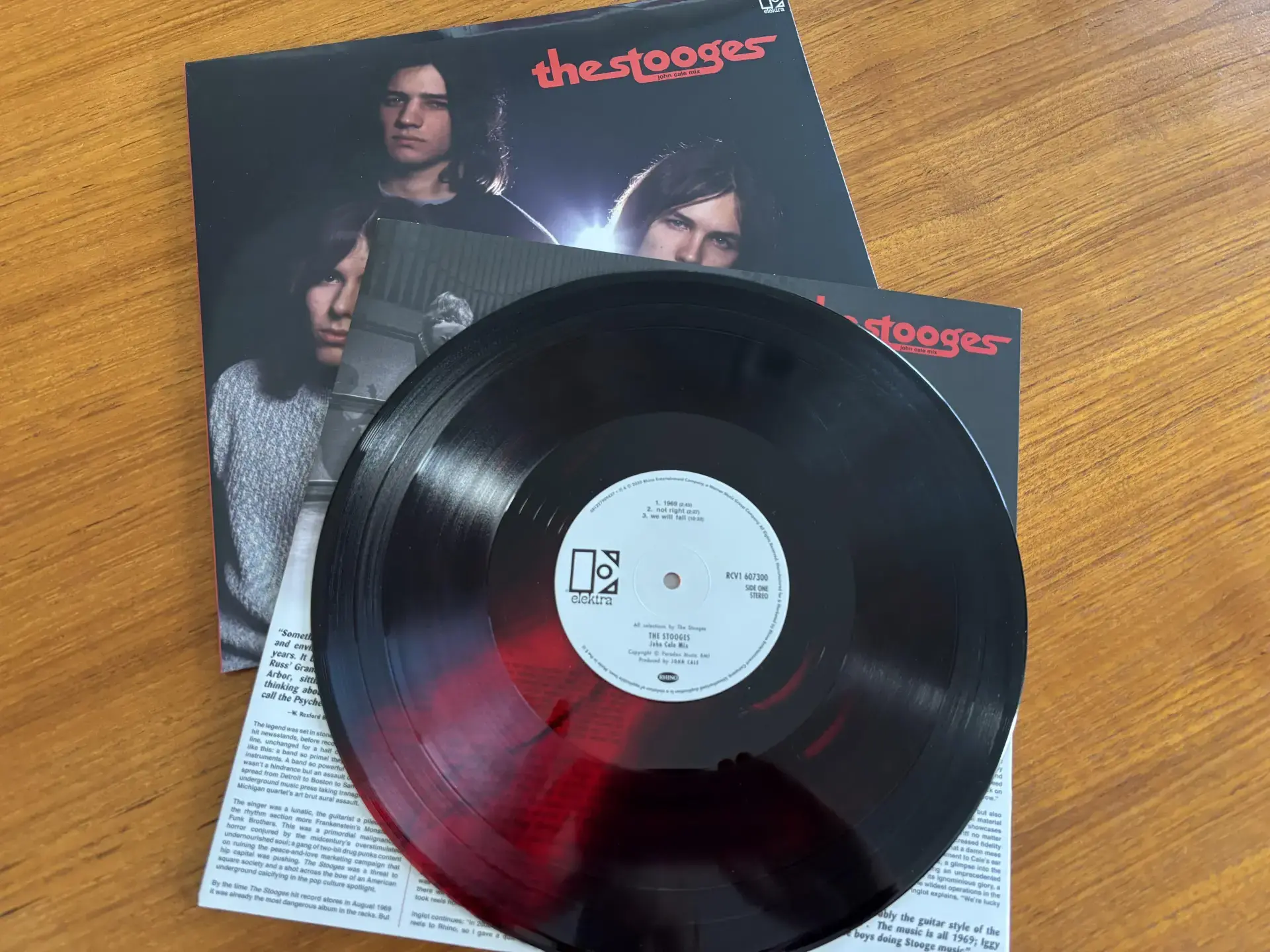
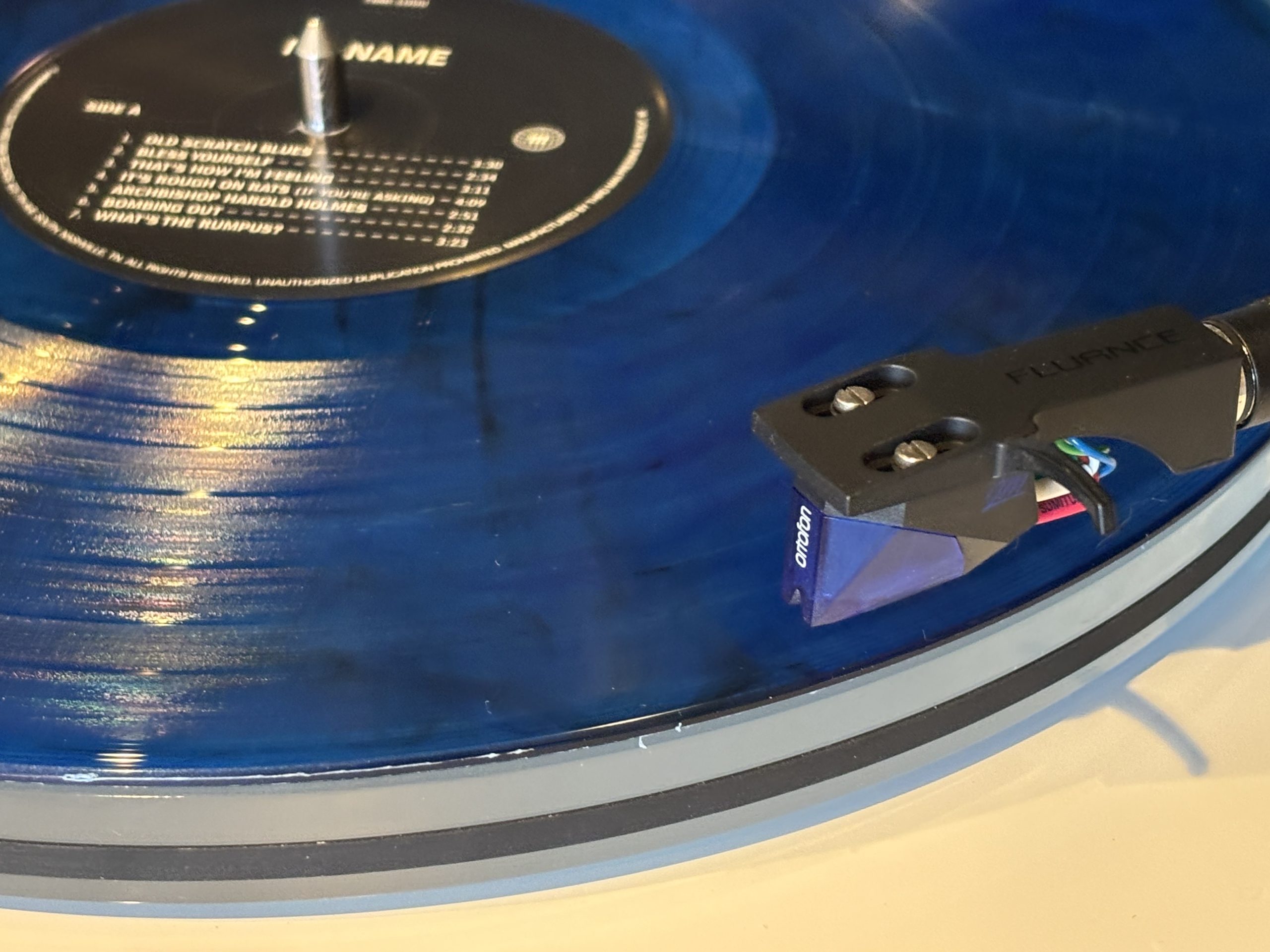
Listening to vinyl is about more than just music – it’s a full sensory experience. From carefully sliding a record out of its sleeve, admiring the album artwork, and watching it spin on the turntable, to the tactile feel of placing the stylus in the groove and hearing the warm, dynamic sound fill the room, vinyl engages multiple senses at once. This combination of tactile, visual, and audio elements is what makes vinyl listening so immersive, and even small improvements to your setup can make that experience feel even richer.
1. Clean Your Records Regularly
Dust, fingerprints, and debris can cause pops, clicks, and a dull sound. Regularly cleaning your vinyl can dramatically improve clarity.
- Use a carbon fiber brush before every play.
- Consider a wet cleaning system or record cleaning machine for deep cleaning.
- Always handle records by the edges to minimize oils from your fingers.
2. Optimize Your Turntable Setup
Even small adjustments to your turntable can have a huge impact on sound quality.
- Check the tracking force and anti-skate settings for your cartridge.
- Make sure your turntable is level and on a stable surface.
- Adjust platter speed to ensure it’s accurate (33⅓ or 45 RPM).
- Read our post about proper tone arm setup to learn more.
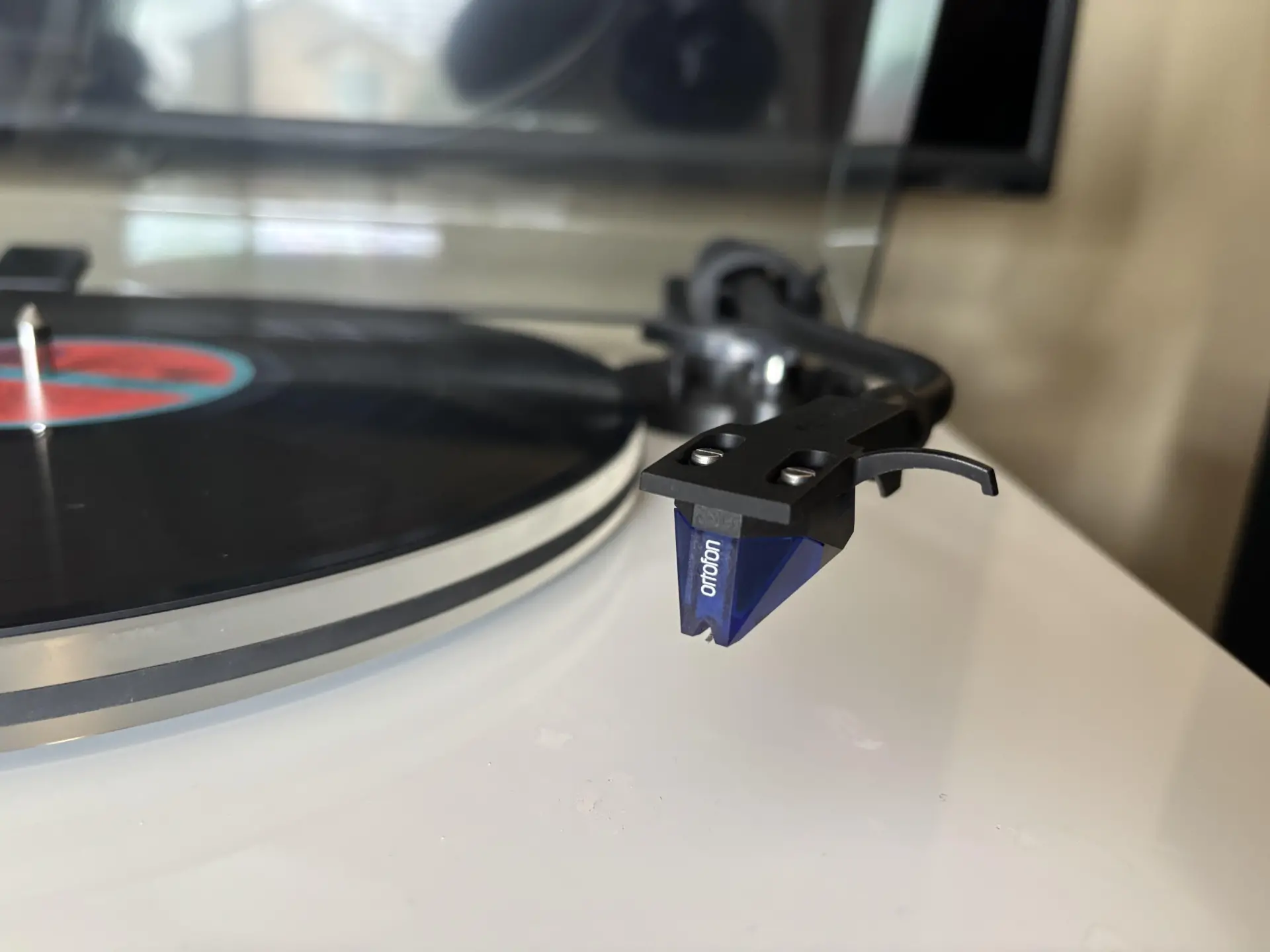
3. Upgrade or Maintain Your Stylus and Cartridge
Your stylus is the part that physically reads the grooves—it’s critical to sound.
- Replace the stylus when it’s worn (usually after 500–1000 hours of play).
- Consider upgrading your cartridge if your budget allows; moving coil or high-quality moving magnet cartridges can improve detail and dynamics.
4. Improve Your Speakers and Placement
Even the best turntable can sound weak with poor speakers or bad placement.
- Position your speakers away from walls and corners to reduce unwanted bass resonance.
- Tilt or angle speakers toward your listening position for better imaging.
- Upgrade to dedicated bookshelf or floorstanding speakers for richer, more balanced sound.
5. Consider Room Acoustics and Environment
Your listening environment affects how sound travels and reaches your ears.
- Minimize hard surfaces that cause reflections by using rugs, curtains, or soft furnishings.
- Avoid placing speakers near large reflective surfaces like glass or bare walls.
- Keep turntables and records away from direct sunlight and heat, which can warp vinyl.
Conclusion
With a few adjustments and upgrades, you can transform your vinyl listening experience at home. Cleaning records, optimizing your turntable, upgrading your stylus or speakers, and considering room acoustics all contribute to clearer, more dynamic sound. These simple steps ensure your vinyl collection sounds as good as possible, whether you’re enjoying classic analog pressings or modern reissues.