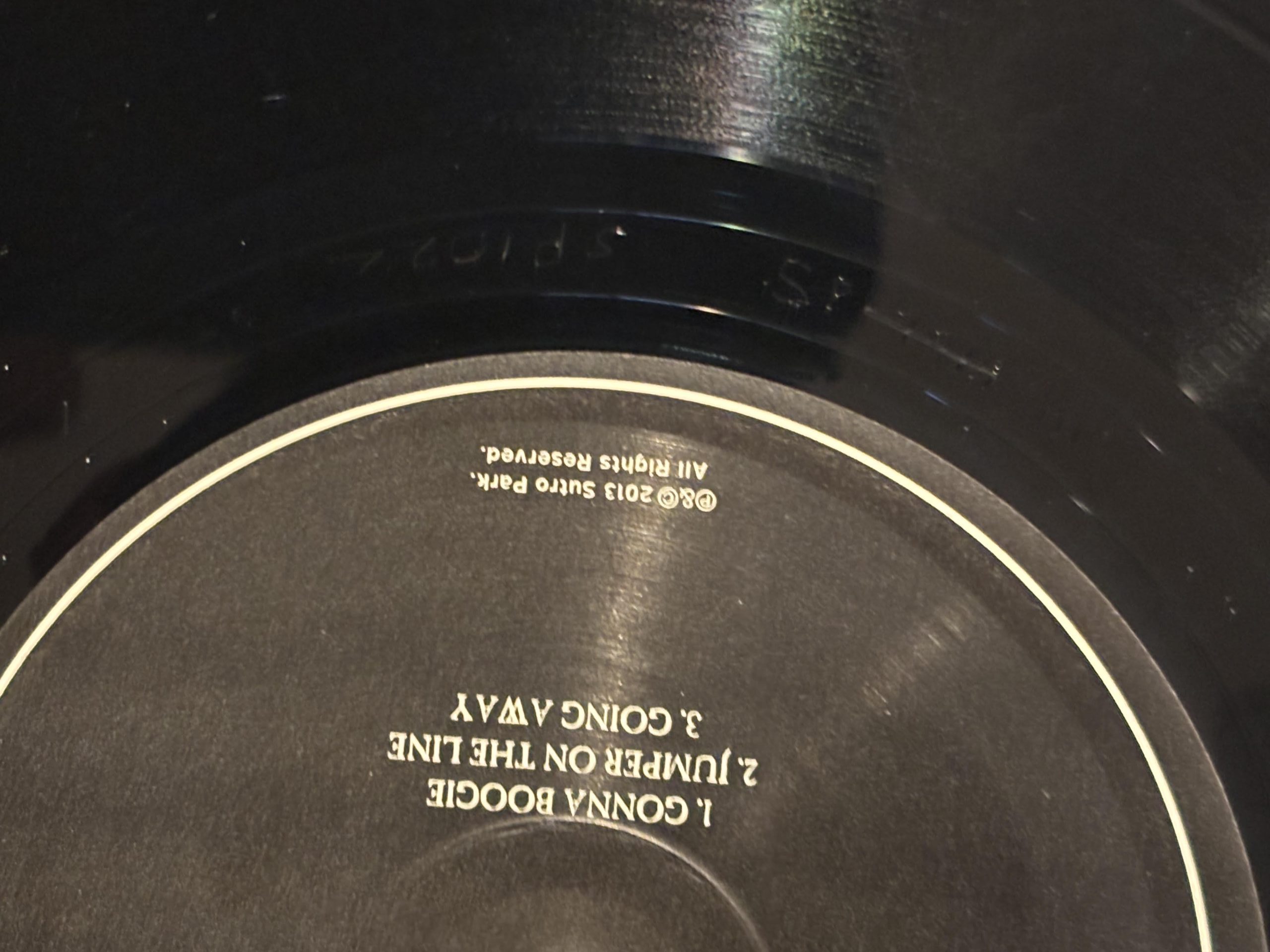
If you’ve ever flipped a record over and noticed strange numbers, letters, symbols, or handwritten markings near the label, you’ve been looking at the deadwax (also called the runout groove). For vinyl collectors, this area can reveal who mastered the record, where it was pressed, and sometimes why it sounds better – or worse – than another copy of the same album.
Understanding deadwax is one of the most important skills a serious vinyl collector can learn.
What Is Deadwax?
Deadwax is the smooth area between the final track and the center label of a vinyl record. While it doesn’t contain music, it contains something just as valuable: manufacturing information etched or stamped into the lacquer or metal parts during production.
These markings are not decorative. They are functional identifiers used by pressing plants, mastering engineers, and labels.
Matrix Numbers: The Record’s DNA
What Are Matrix Numbers?
Matrix numbers identify:
The specific lacquer cut
The side of the record
The pressing sequence
They are usually alphanumeric and appear on both sides of the record.
Example:
This might indicate:
ST = Stereo
A = Atlantic Records
712285 = Internal catalog or mastering number
A = Side A
Different matrix numbers often mean different cuts, even if the album artwork is identical.
Why this matters:
Two copies of the same album can sound dramatically different depending on which lacquer was used.
Hand-Etched vs. Stamped Deadwax
Hand-Etched
Usually done by the mastering engineer
Often indicates an earlier or more deliberate cut
Common on vintage pressings
Machine-Stamped
Often added by the pressing plant
More common on later pressings or high-volume runs
Collectors often prefer hand-etched markings because they’re more likely to represent an original or early mastering.
Mastering Engineer Signatures (The Big Ones)
Some names in the deadwax are legendary:
Common Examples:
RL – Robert Ludwig
BG – Bernie Grundman
KG – Kevin Gray
Porky / Pecko – George Peckham
STERLING – Sterling Sound mastering facility
If you see one of these, you’re usually looking at a high-quality cut.
Example:
This marking is famously associated with the “Led Zeppelin II “Hot Mix”, one of the most sought-after rock pressings ever.
Pressing Plant Stamps & Symbols
Pressing plants often added their own identifiers.
Common Pressing Plant Marks:
△ (triangle) – Monarch Record Mfg. (Los Angeles)
Ⓟ or PR – Presswell
SRC – Specialty Records Corporation
GZ – GZ Media (modern pressings)
Knowing the plant helps explain:
Vinyl formulation quality
Noise levels
Consistency between copies
Lacquer Cut Numbers & Revisions
You might see markings like:
These usually indicate cut revisions:
A-1 = first lacquer
A-2 = recut
A-3 = later revision
Earlier cuts are often preferred, but not always. Some later recuts sound better due to improved mastering choices.
Why Deadwax Matters for Sound Quality
Deadwax tells you things the jacket never will:
Was it cut from analog tape or digital source?
Who made the mastering decisions?
Was it rushed or carefully produced?
Is this an early pressing or a later reissue?
This is why experienced collectors don’t just look at condition — they read the deadwax.
Common Deadwax Myths
“Heavier vinyl always sounds better”
False. Deadwax info matters far more than weight.
“All first pressings sound the same”
Also false. Different lacquers were often used even in the same year.
“Reissues can’t sound good”
Some reissues are outstanding – especially when cut by top engineers.
How We Use Deadwax at Invincible Vinyl
When we evaluate used records, deadwax is part of how we:
Identify valuable pressings
Separate common copies from desirable ones
Price records fairly and accurately
It’s one of the reasons two copies of the same album may have very different values.
Final Thoughts
Learning to read deadwax turns vinyl collecting from guessing into informed decision-making. It helps you:
Find better-sounding records
Avoid overpriced copies
Understand why some records are legendary
Next time you’re flipping through crates, take a moment to check the runout groove – it often tells the real story.