How to Properly Protect and Store Your Vinyl Records
Vinyl records aren’t just music, they’re physical artifacts. When stored and handled correctly, records can last for decades (even generations) while maintaining excellent sound quality. When stored poorly, they can warp, scuff, crackle, and lose value fast.
Whether you’re new to collecting or protecting a lifelong collection, this guide covers the proper way to protect vinyl records using best practices trusted by record collectors, record stores, and archivists.
Why Proper Vinyl Record Storage Matters
Vinyl is surprisingly delicate. Records are vulnerable to:
- Warping from heat
- Surface noise from dust and debris
- Scratches from poor inner sleeves
- Ring wear and jacket damage
- Mold and mildew from humidity
Good storage isn’t about being obsessive, it’s about preventing permanent damage that cannot be fixed later.
Use Outer Sleeves to Protect Album Jackets
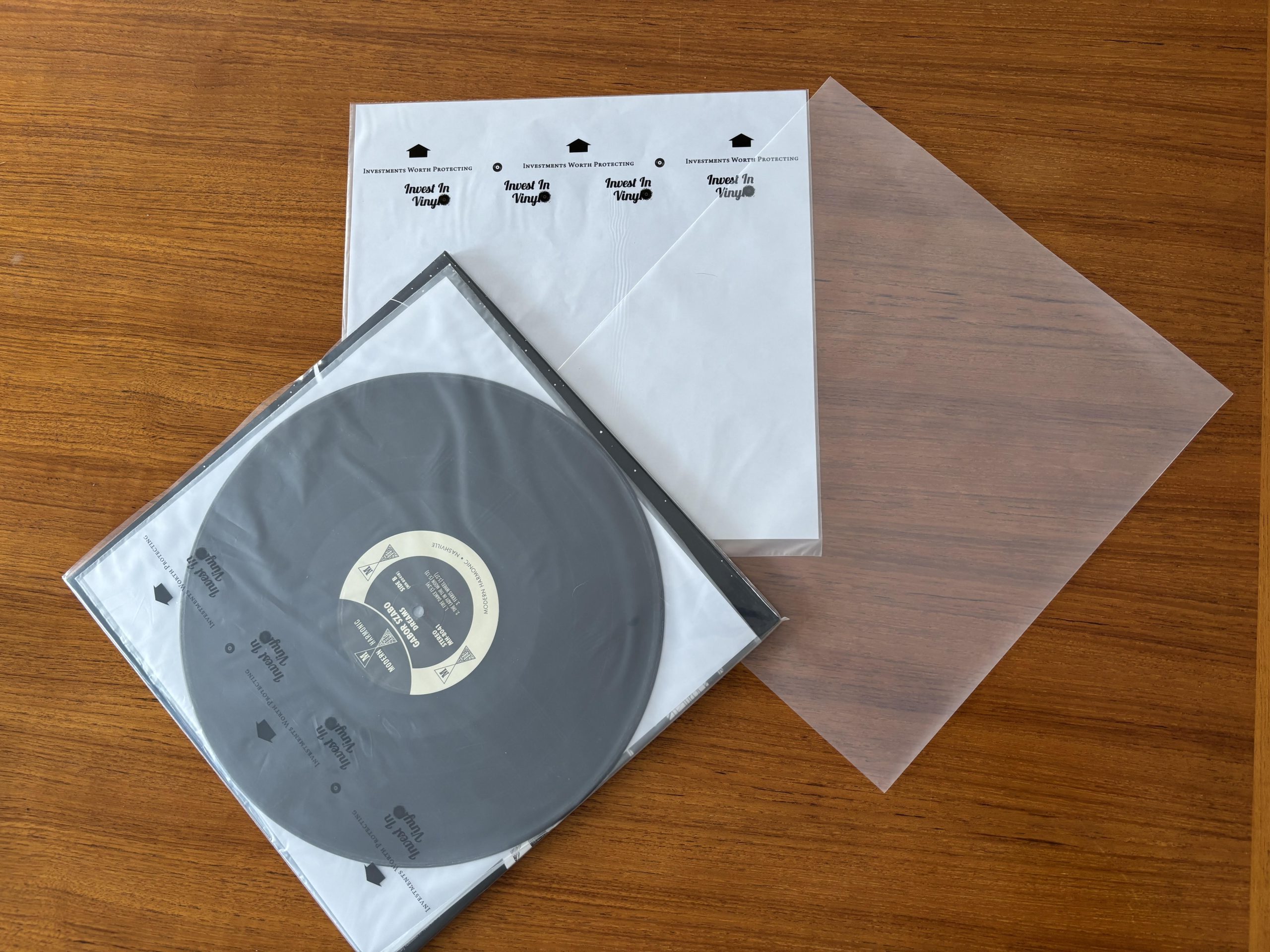
One of the easiest and most important steps is using outer record sleeves.
Why Outer Sleeves Matter
Outer sleeves protect album covers from:
- Shelf wear
- Ring wear
- Scuffs and creases
- Dust and grime
- Moisture damage
Without an outer sleeve, even careful handling slowly degrades the jacket.
Best Outer Sleeves for Vinyl Records
- 3–4 mil polyethylene sleeves (most popular)
- Crystal-clear polypropylene sleeves (premium look)
- Avoid PVC sleeves — they can off-gas over time and damage vinyl
A properly sized outer sleeve should fit snugly but not stretch or bend the jacket.
Pro tip: Store the record outside the jacket but inside the outer sleeve to reduce seam splits.
Always Replace Paper Inner Sleeves
If your records are still in their original paper sleeves, you’re risking surface noise and scratches.
Why Paper Inner Sleeves Are Bad
- Paper sheds microscopic dust
- Abrasive surface causes scuffs
- Static buildup attracts debris
Best Inner Sleeves for Vinyl Records
Look for anti-static inner sleeves, such as:
- HDPE (high-density polyethylene)
- Rice paper-style sleeves
- Poly-lined sleeves
These materials:
- Reduce static
- Prevent scratches
- Keep dust away from grooves
Replacing inner sleeves is one of the single biggest sound-quality upgrades you can make without touching your turntable.
Store Records Upright – Never Flat
Vinyl records should always be stored vertically, like books on a shelf.
Why Storing Records Flat Is a Problem
Stacking records flat:
- Adds uneven pressure
- Causes warping over time
- Damages jackets
- Increases risk of edge cracks
The Right Way to Store Records Upright
- Keep records fully vertical
- Support them evenly across the shelf
- Use sturdy shelving that won’t bow
If records start leaning heavily, add a bookend or divider.
Store Records Loosely — Not Packed Tight
Overstuffing shelves is just as bad as stacking records flat.
Ideal Shelf Spacing
- Records should slide in and out easily
- No tight compression
- No heavy leaning
Over-packed shelves cause:
- Warping
- Jacket creases
- Ring wear
Think “firm but breathable.”
Keep Records Away From Heat and Sunlight
Heat is vinyl’s worst enemy.
Heat Damage Happens Faster Than You Think
Vinyl can begin to warp at temperatures as low as 140°F, which means records are not safe near:
- Windows with direct sunlight
- Radiators or baseboard heaters
- Fireplaces
- Audio gear that runs hot
- Cars (even briefly)
Best Temperature for Vinyl Records
- 60–75°F (room temperature)
- Stable temperature matters more than perfection
Never store records in attics, garages, or storage units without climate control.
Control Humidity to Prevent Mold and Warping
Humidity is the silent killer of record collections.
Ideal Humidity for Vinyl Records
- 40–55% relative humidity
Too much humidity causes:
- Mold and mildew on jackets
- Warping
- Musty odors
Too little humidity increases static buildup.
If needed, use a small room dehumidifier or humidifier to maintain balance.
Keep Records Clean (and Handle Them Correctly)
Even perfect storage won’t help if records are handled poorly.
How to Handle Vinyl Records
- Hold records by the edges and label only
- Never touch the grooves
- Place records on clean surfaces only
Cleaning Best Practices
- Use a carbon fiber brush before every play
- Wet clean records periodically
- Clean new records too — factory dust is real
Clean records sound better and last longer.
Avoid Cheap Storage Solutions
Milk crates, cardboard boxes, and random shelves can cause long-term damage.
Better Storage Options
- Purpose-built record shelving
- Cube storage units rated for weight
- Solid wood or reinforced shelving
Vinyl is heavy – make sure your storage can handle it.
Long-Term Vinyl Record Storage Tips
If you’re storing records long-term:
- Use both inner and outer sleeves
- Store vertically in climate-controlled space
- Avoid tight packing
- Check periodically for mold or warping
Records thrive in stable environments.
Final Thoughts: Protect Your Records, Protect the Sound
Vinyl records reward care. With proper sleeves, upright storage, controlled temperature, and clean handling, your records will:
- Sound better
- Look better
- Hold value longer
- Last a lifetime
Whether you’re protecting rare pressings or everyday favorites, good storage habits are essential for any serious vinyl collector.
If you’re looking for quality inner sleeves, outer sleeves, or storage advice, stop by a trusted local record store and talk to people who live and breathe vinyl.
Your records, and your future self, will thank you.