Warped vinyl records are one of the most common problems collectors run into—especially in dry climates like Denver. But can you actually fix a warped record, or is it permanently damaged?
Can You Fix a Warped Record?
Sometimes. Slightly warped records can often be improved or made playable, but severe warping is usually permanent. Some methods can help flatten a record, but they also carry risks, especially if heat is involved.
The key is knowing what type of warp you’re dealing with and whether it’s worth trying to fix.
What Causes Records to Warp?
Vinyl records are sensitive to heat and pressure. The most common causes of warping include:
Heat exposure (cars, garages, attics, or near windows)
Improper storage (stacking records instead of storing them vertically)
Tight shrink wrap pulling the record out of shape
Direct sunlight
If you want to prevent warping in the first place, check out our guide on properly storing your vinyl records.
Types of Warps (And If They Can Be Fixed)
Not all warped records are the same. Some are manageable, while others are not.
1. Edge Warp
The outer edge of the record lifts slightly.
Fixable?
Often playable. Sometimes improved with a clamp or flattening.
2. Dish Warp
The record looks like a shallow bowl.
Fixable?
Sometimes. This type can occasionally be flattened, but results vary.
3. Severe Warp
The record visibly bends or causes the tonearm to jump.
Fixable?
Usually not. These are often permanently damaged.
Methods to Fix a Warped Record
There are a few ways people try to flatten records. Some are safe, while others carry serious risk.
1. Use a Record Weight or Clamp (Safest Option)
A record weight or clamp won’t actually fix the warp, but it can help keep the record stable during playback.
Reduces skipping
Improves tracking
No risk of damage
This is the safest first step.
2. Vinyl Flattening Devices (Best Option)
There are products specifically designed to flatten records, such as the Record Pi and Vinyl Flat systems.
These apply controlled heat and pressure, which is key to avoiding damage.
More consistent results
Lower risk than DIY methods
Works best for mild to moderate warps
At Invincible Vinyl, we have a Record Pi flattening machine in the shop. If you have a record you’re unsure about, we can take a look and, in some cases, try to improve it using professional equipment.
3. Glass + Low Heat Method (High Risk)
This DIY method involves placing the record between two flat surfaces (like glass) and applying gentle heat.
The problem:
Too much heat can permanently damage the grooves.
If done incorrectly, you can:
Melt the record
Flatten the grooves (ruining sound quality)
Cause further warping
This method is not recommended unless you’re willing to risk the record.
What NOT to Do
There’s a lot of bad advice online. Avoid these:
❌ Putting records in the oven
❌ Using a hair dryer or heat gun
❌ Leaving records in the sun
❌ Stacking heavy books on them randomly
These methods can permanently damage your vinyl.
Can a Warped Record Damage Your Turntable?
In most cases, a slightly warped record won’t damage your turntable. However:
Severe warps can cause skipping
They can put extra stress on your stylus and tonearm
Sound quality will suffer
If your record is jumping or causing heavy movement, it’s best not to play it.
When a Record Isn’t Worth Fixing
Sometimes, the best option is replacement.
Consider skipping the fix if:
The warp is severe
The record skips repeatedly
It’s a common or inexpensive pressing
For rare or valuable records, it may be worth trying a professional solution.
How to Prevent Warped Records
Prevention is the best strategy.
Store records vertically (never stacked)
Keep them in a cool, dry place
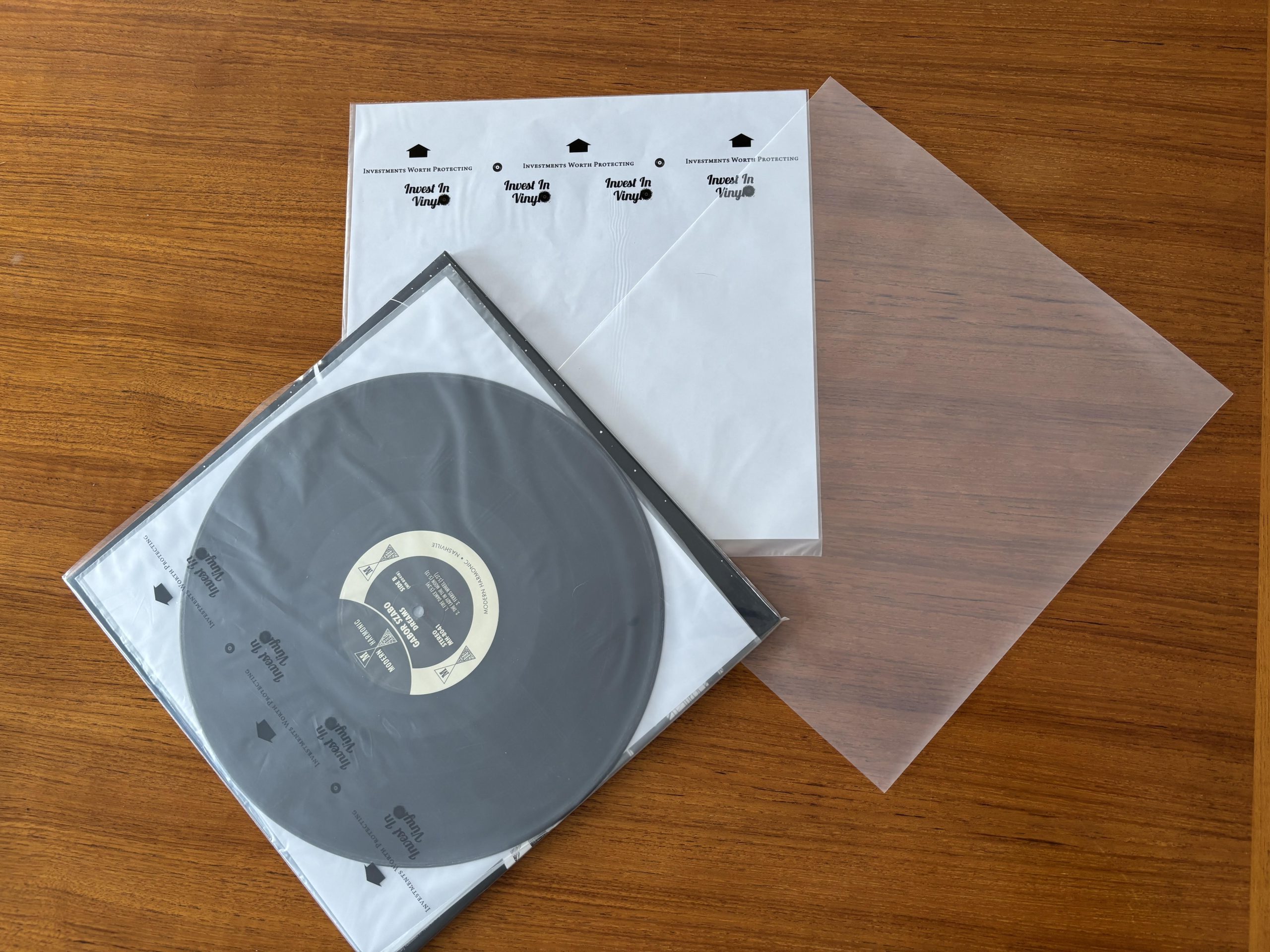
Use inner and outer sleeves
Avoid heat sources and sunlight
Proper storage goes a long way—check out our full guide on vinyl record storage for more tips.
Not Sure If Your Record Can Be Fixed?
If you’re unsure whether a warped record is worth saving, it’s often better to get a second opinion.
At Invincible Vinyl, Dave will occasionally work with customers to see if a record can be improved. While not every record can be saved, having the right equipment and experience can make a difference.
Bring your record into the shop, and we’ll help you figure out the best next step.
FAQ: Warped Vinyl Records
Can warped records be flattened completely?
Sometimes, but not always. Mild warps can often be improved, but severe warps are usually permanent.
Do record weights fix warps?
No, but they can help stabilize playback.
Are warped records still valuable?
It depends on the severity of the warp and the rarity of the record. Minor warps may still have value.
Final Thoughts
Warped records are frustrating, but they’re not always a lost cause. The key is to use safe methods, avoid excessive heat, and know when to stop.
In many cases, it’s better to prevent warping in the first place than try to fix it later.