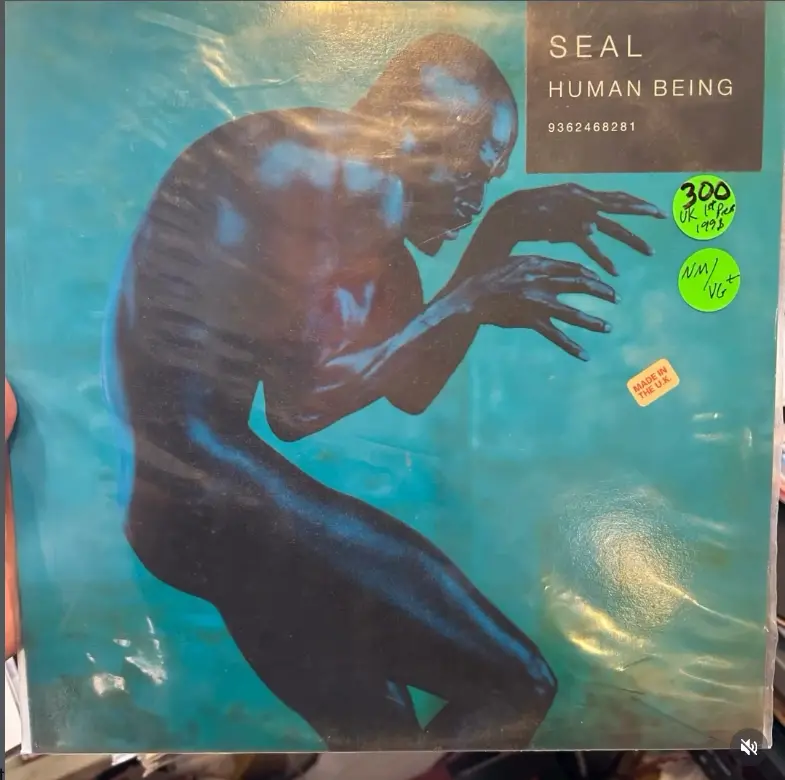
If you’ve ever shopped for records online or in a brick and mortar store, you’ve probably seen grades like NM, VG+, VG, and G. But what do they actually mean…and where did this system come from?
Understanding vinyl grading isn’t just collector trivia, it’s the difference between overpaying for a mediocre record and confidently buying something worth every dollar.
The Origins of Vinyl Grading
Vinyl grading as we know it today largely comes from the standards created by Goldmine Magazine, a long-running publication focused on record collecting. Goldmine Magazine has been one of the most influential voices in record collecting since it launched in 1974. Originally a print magazine aimed at serious collectors, it featured record price guides, artist interviews, and deep dives into rare pressings. As the hobby grew, Goldmine helped standardize how records were described and valued—most notably by popularizing the grading system still used today. Over the years, it expanded into books and official price guides, becoming a go-to reference for collectors trying to understand rarity, condition, and market value. Even in the digital age, its impact is still felt anytime someone labels a record NM, VG+, or G.
Goldmine’s grading system became the industry standard because it was:
-
Simple
-
Consistent
-
Conservative (when used correctly)
Today, it’s still the most widely used grading scale across record stores, collectors, and platforms like Discogs.
The Goldmine Grading Scale (Explained Simply)
Here’s what each grade really means in the real world:
Mint (M)
-
Perfect. Absolutely flawless.
-
No one has ever played it (or it appears that way).
-
No visible defects, no noise.
Reality check: Almost no used records truly qualify as Mint. Many sellers avoid using this grade entirely.
Near Mint (NM or M-)
-
Nearly perfect, with only the slightest signs of handling.
-
Plays beautifully with little to no surface noise.
-
Vinyl is shiny, clean, and well cared for.
-
Sleeve is crisp with minimal wear.
This is the highest realistic grade for most collectible records.
Very Good Plus (VG+)
-
Light surface marks or hairlines that don’t significantly affect play.
-
Some occasional surface noise, especially in quiet parts.
-
Still a strong, enjoyable listening experience.
This is the sweet spot for most collectors – great condition without paying NM prices.
Very Good (VG)
-
Noticeable wear: more scratches, groove wear, and background noise.
-
Pops and crackles are present but the record still plays through without skipping.
-
Sleeve may have ring wear, seam splits, or writing.
VG records are often budget-friendly copies of otherwise expensive albums.
Good (G) / Good Plus (G+)
-
Heavy wear, scratches, and consistent noise.
-
May have minor skips or significant crackling.
-
Sleeve is likely heavily worn or damaged.
Despite the name, “Good” is not actually good—it’s a low-grade, filler copy.
Poor (P) / Fair (F)
-
Barely playable or heavily damaged.
-
Skips, warps, deep scratches.
-
Sleeve may be falling apart or missing entirely.
These are usually only valuable if the record is extremely rare.
The Biggest Problem: Inconsistent Grading
Here’s the truth most sellers won’t say:
Grading is subjective.
One seller’s VG+ might be another seller’s VG. Another layer to this subjectivity is how the record is evaluated. Some sellers grade purely visually under bright light, while others factor in play-testing, two approaches that can lead to very different results. A record might look clean but have groove wear that creates background noise, or it might look rough yet play surprisingly well. On top of that, grading standards can vary by experience level: newer sellers often overgrade, while seasoned collectors tend to be more conservative. Even environmental factors, like dust, static, or the quality of the playback system, can influence how a record is perceived. All of this means that grading isn’t an exact science -it’s a judgment call shaped by the seller’s methods, honesty, and experience.
What About Warped Records?
Warping is one of the trickiest factors in vinyl grading because it doesn’t always show up clearly in a standard grade like VG+ or NM – but it absolutely affects playability.
A warp means the record is no longer perfectly flat. This can happen from heat exposure, improper storage, or just age. And not all warps are equal:
-
Mild warp: Slight edge or dish warping that doesn’t affect playback
-
Moderate warp: Visible movement while spinning; may cause slight pitch variation or tracking issues
-
Severe warp: Tonearm visibly rises and falls; may cause skipping or make the record unplayable
Here’s where it gets subjective:
A record could look Near Mint in terms of surface condition, but if it has a noticeable warp, many collectors would knock it down to VG or lower—or avoid it entirely.
That’s why experienced collectors:
-
Buy from trusted sellers
-
Look for detailed descriptions (not just a grade)
-
Pay attention to return policies
Why Grading Matters So Much for Online Purchases
Condition can dramatically affect value:
-
The same record in NM vs VG condition can be worth 2–5x more
-
Rare pressings lose significant value if condition drops
-
Even common albums sell faster when accurately graded
Final Thought
At Invincible Vinyl, we take a slightly different approach. Since we don’t focus heavily on online sales, we don’t rely on strict grading labels like NM or VG+. Instead, we encourage customers to come into the shop and see and hear the records for themselves. You can inspect the vinyl, check the sleeves, and get a real sense of condition with your own eyes and ears, no guessing, no surprises. We have a listening station that you can use, or just ask, and we’ll play it for you in the shop. In our experience, nothing beats hands-on buying when it comes to vinyl, and it ensures you know exactly what you’re taking home.