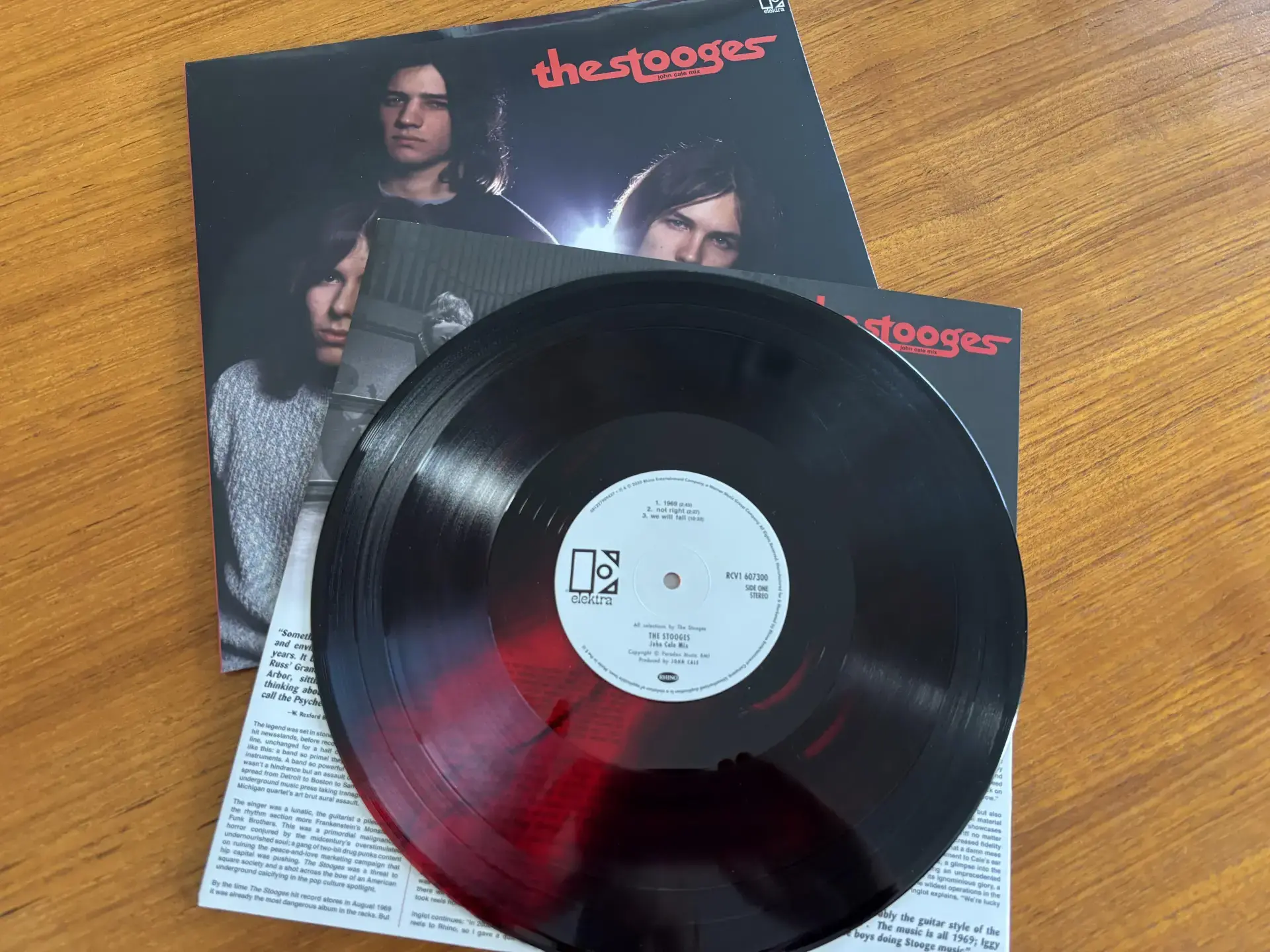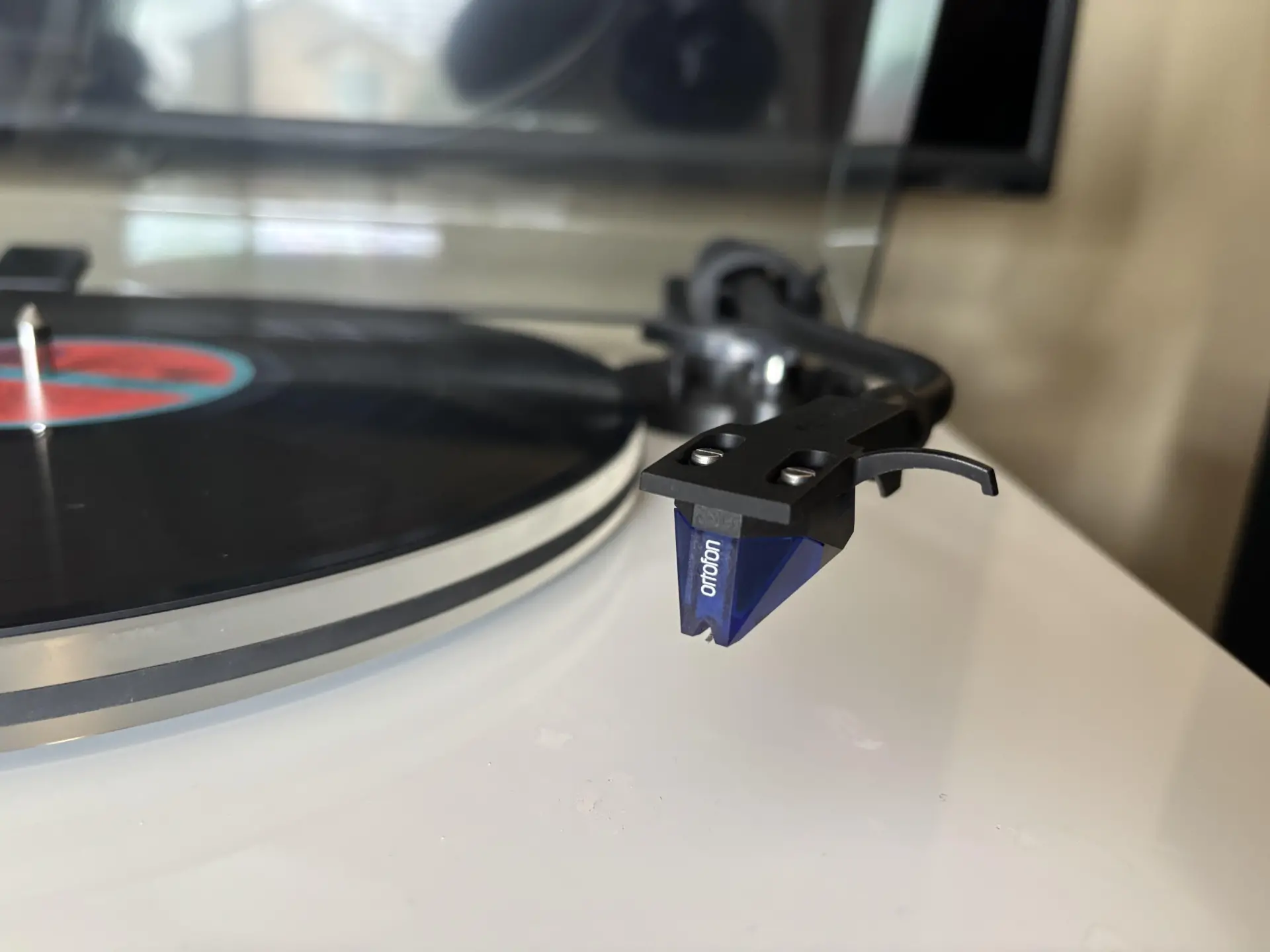
Vinyl records aren’t just music…they’re physical pieces of art. But unlike digital files, vinyl requires proper care to stay in great condition. Whether you’re building a small personal collection or managing a serious archive, storing your records the right way will protect their sound, value, and longevity.
Here’s a complete guide to proper vinyl record storage, including cleaning, upgraded sleeves, and long-term protection tips every collector should follow.
1. Always Store Records Vertically
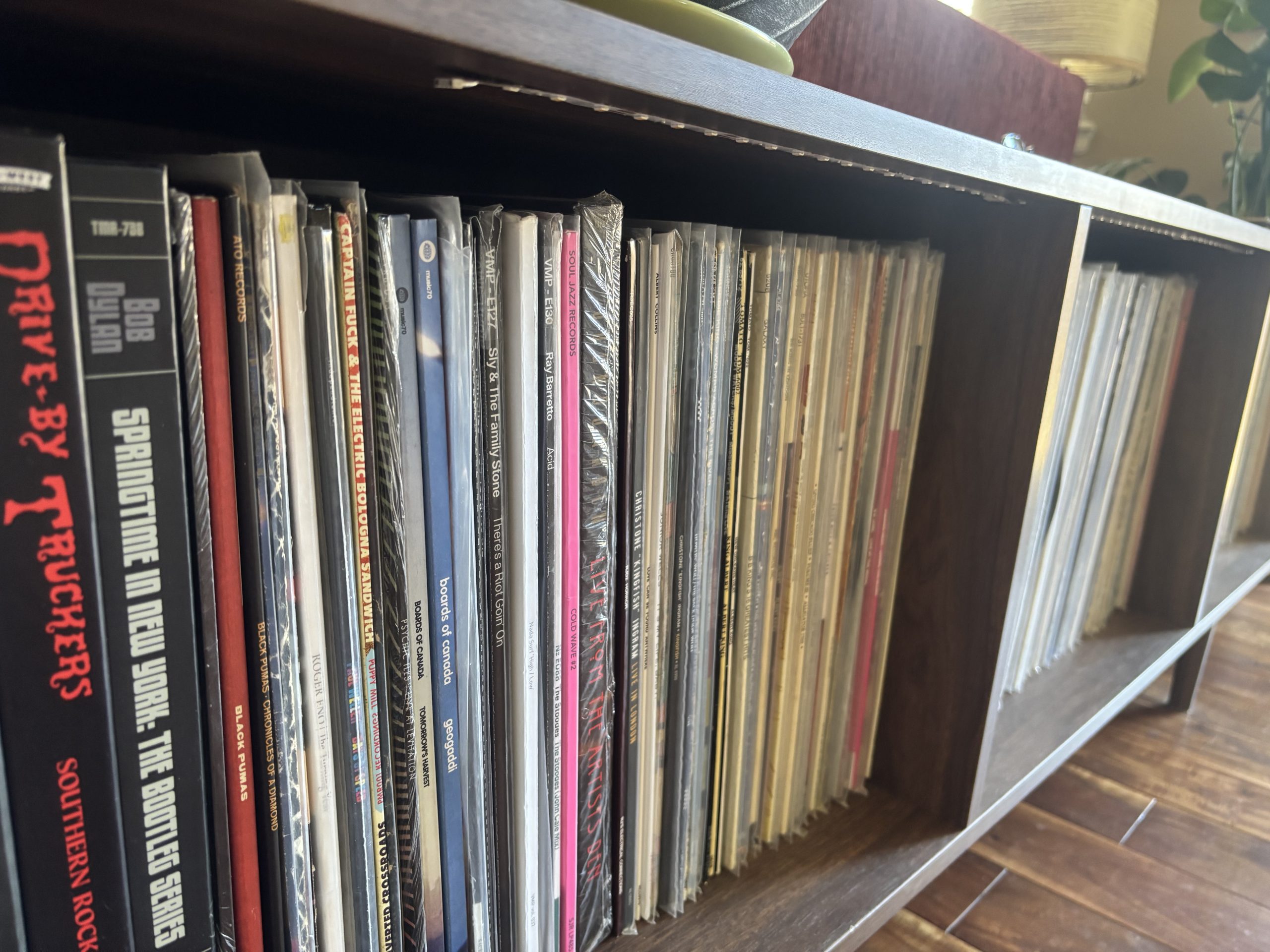
Vinyl records should always be stored upright, never stacked flat.
Stacking records horizontally puts uneven pressure on the grooves and can lead to warping over time, especially with heavier pressings. Use sturdy shelving or record crates that keep albums standing straight without leaning.
Best practices:
-
Store records vertically like books
-
Avoid tight squeezing or loose leaning
-
Use shelves designed specifically for vinyl depth
2. Keep Vinyl Away from Heat, Sunlight, and Moisture
Vinyl is extremely sensitive to environmental conditions.
Avoid:
-
Direct sunlight (can warp records and fade jackets)
-
Heat sources like radiators or vents
-
Damp areas such as basements or garages
Ideal storage conditions:
-
Temperature: ~65–70°F (18–21°C)
-
Humidity: 40–50%
-
Dark, climate-controlled room
Stable conditions are key to preventing warping, mold, and sleeve damage.
3. Clean Records Before Storage
Storing dirty records locks debris into the grooves, which causes unnecessary wear and surface noise.
Basic cleaning routine:
-
Use a carbon fiber brush before and after each play
-
Remove dust in a circular motion following the grooves
-
Avoid touching the playing surface with bare fingers
For deeper cleaning, use:
-
Record cleaning solution
-
Microfiber cloths
-
Manual or vacuum record cleaning systems
Clean records last longer—and sound better.
4. Upgrade Your Inner Sleeves
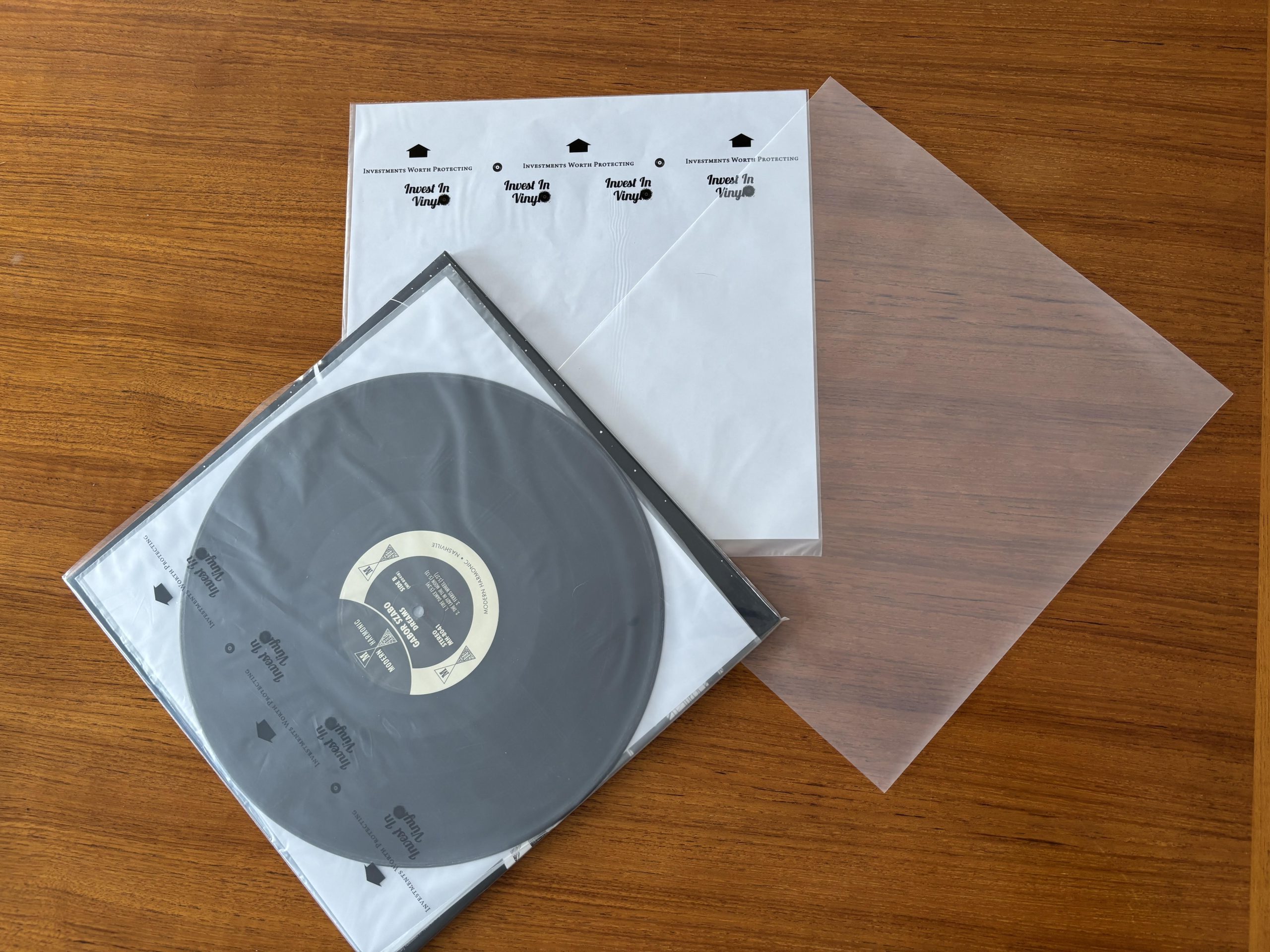
Paper inner sleeves that come with many records can cause scuffs, static buildup, and dust retention.
Upgrading to high-quality inner sleeves is one of the simplest ways to protect vinyl.
Recommended inner sleeves:
-
Anti-static polyethylene or HDPE sleeves
-
Rice paper–lined sleeves
-
Archival-grade materials
These reduce friction and static while preventing microscopic scratches.
5. Use Protective Outer Sleeves
Outer sleeves protect album jackets from:
-
Shelf wear
-
Ring wear
-
Dust and fingerprints
They also preserve artwork and resale value.
Outer sleeve options:
-
Clear polypropylene sleeves (most common)
-
Resealable sleeves for added protection
-
Thicker sleeves for premium pressings
Make sure sleeves fit properly—not too tight, not overly loose.
6. Store Records Outside the Jacket (Optional but Recommended)
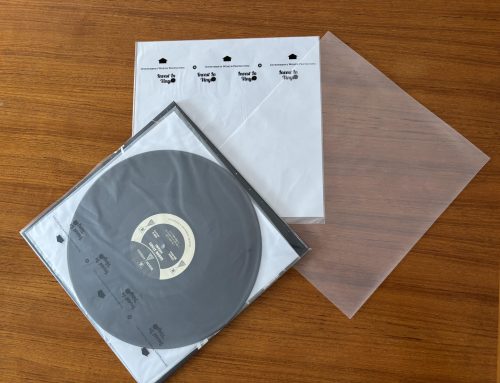
For collectors focused on preservation, storing the vinyl outside the jacket but inside the outer sleeve reduces pressure on the spine and prevents seam splits.
How to do it properly:
-
Place the vinyl in an inner sleeve
-
Slide it behind the jacket within the outer sleeve
-
Keep everything aligned and protected
This method is especially useful for rare or heavy 180g pressings.
7. Handle Records Correctly
Even perfect storage can’t undo poor handling.
Always:
-
Hold records by the edges or labeled center
-
Avoid touching grooves
-
Return records to sleeves immediately after playing
Consistent handling habits go a long way in preserving sound quality.
8. Organize Your Collection Thoughtfully
An organized collection minimizes unnecessary handling and wear.
Popular organization methods include:
-
Alphabetical by artist
-
Genre-based sections
-
Chronological by release year
Whatever system you choose, consistency makes accessing records safer and easier.
Final Thoughts
Proper vinyl storage isn’t complicated—but it is intentional. Cleaning your records, upgrading sleeves, controlling the environment, and storing albums correctly will keep your collection sounding incredible for decades.
Whether you’re spinning records daily or preserving rare pressings, these steps ensure your vinyl stays invincible against time.